International Payment Methods for Exporters and Importers
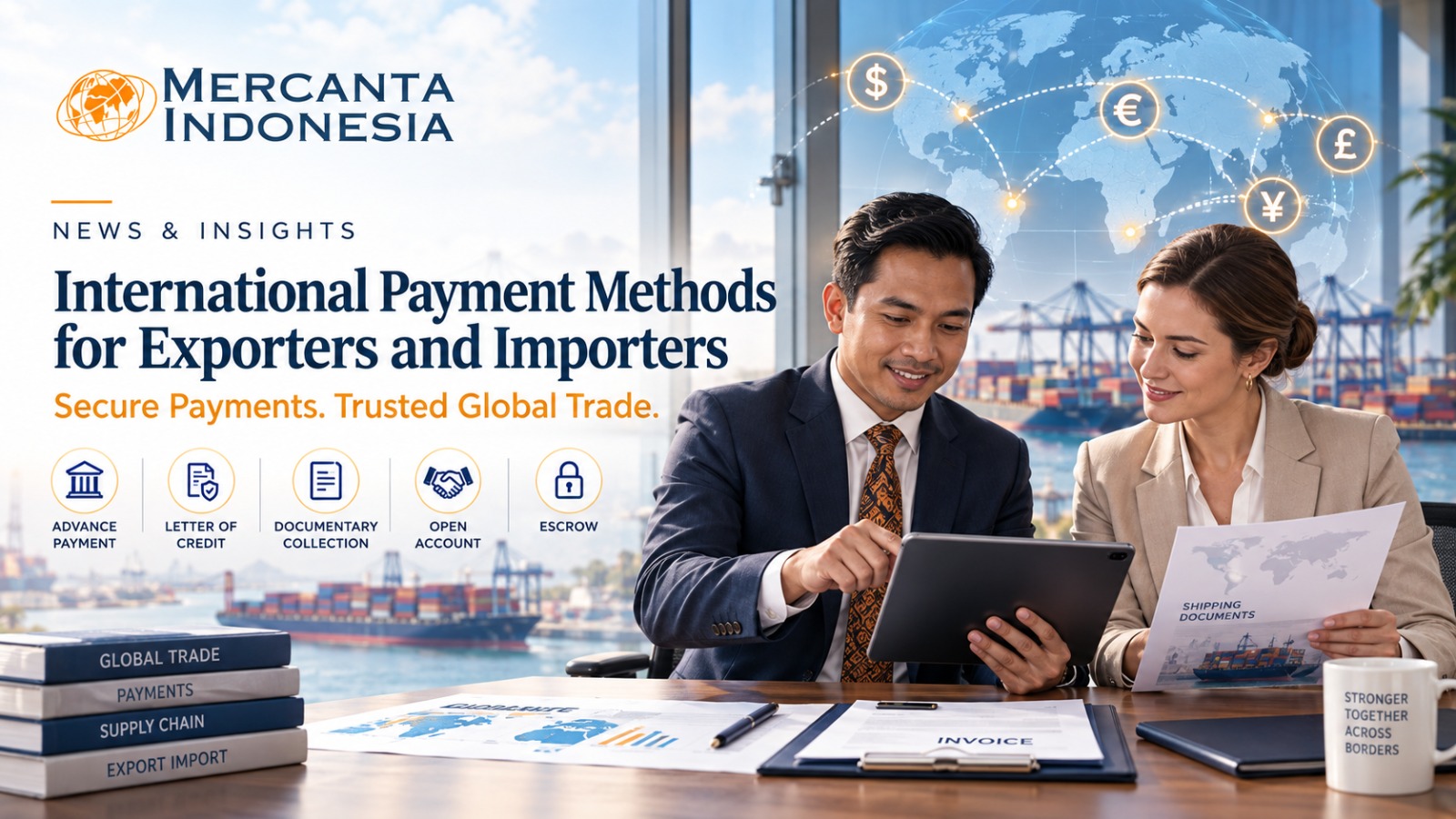
Learn the essential international payment methods for exporters and importers, from cash in advance and letters of credit to open account and escrow services, to manage financial risk effectively.
International trade creates valuable opportunities for businesses to reach new markets, diversify revenue, and develop long-term commercial partnerships. However, every cross-border transaction involves one essential question: How and when will payment be made?
The payment method determines how financial risk is shared between the exporter and the importer. Exporters want certainty that they will receive payment, while importers want assurance that the goods will be delivered according to the agreed specifications.
Choosing the right payment method requires both parties to consider trust, transaction value, country risk, banking costs, delivery time, and the strength of their commercial relationship.
Why Payment Terms Matter in International Trade
International transactions can be more complex than domestic sales because the buyer and seller operate in different jurisdictions. They may also use different currencies, banking systems, languages, and commercial practices.
Poorly structured payment terms can lead to:
• Delayed or unpaid invoices • Cash-flow problems • Banking and documentation discrepancies • Disputes over product quality or delivery • Exchange-rate losses • Fraud and unauthorized payment instructions • Damage to the business relationship
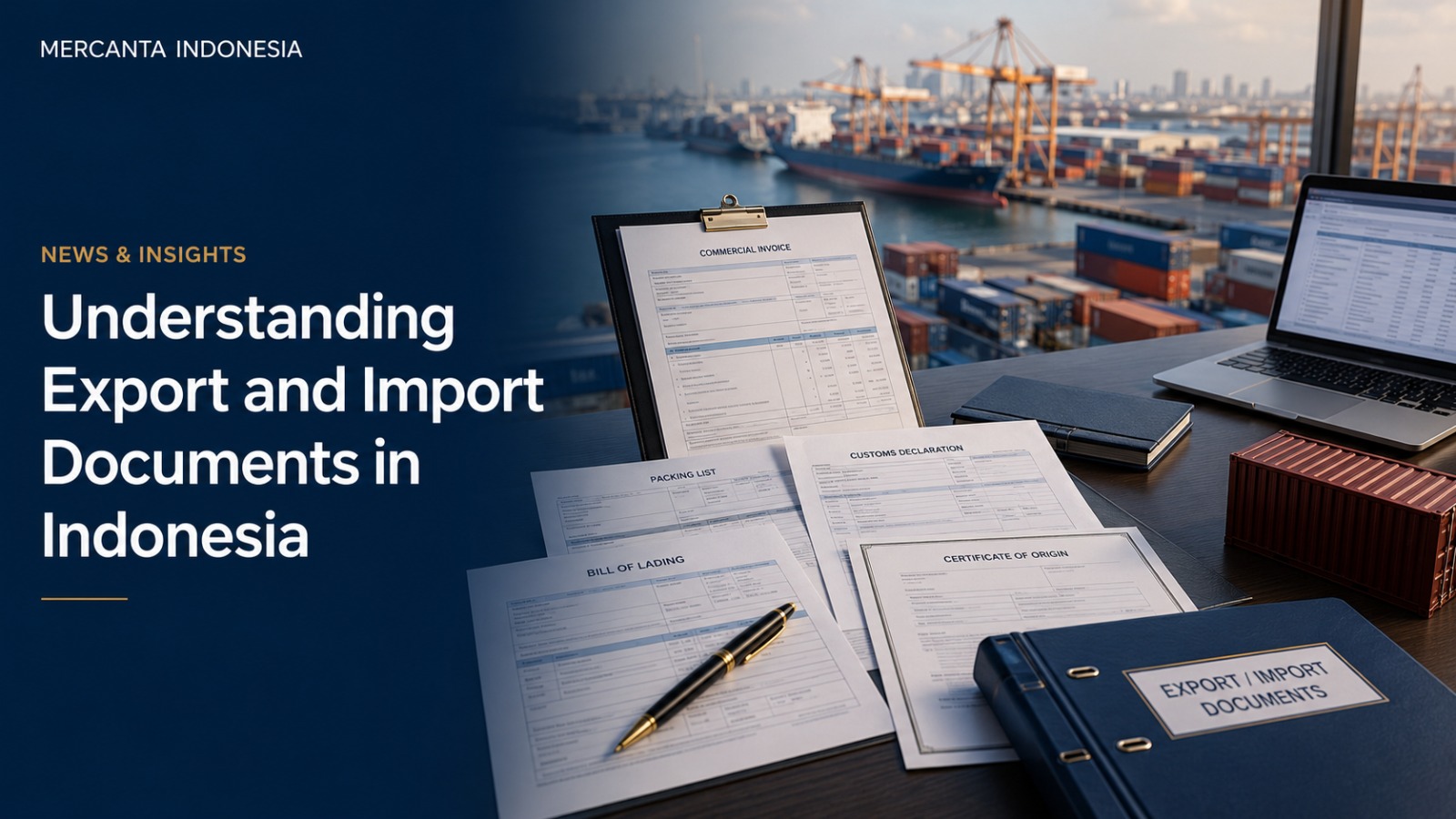
Payment terms should therefore be discussed before production begins and clearly stated in the quotation, proforma invoice, sales contract, and commercial invoice.
1. Cash in Advance
Under cash-in-advance terms, the importer pays the exporter before the goods are produced or shipped. Payment is commonly made through an international bank transfer.
This is generally the safest option for the exporter because payment is received before the exporter releases the goods. However, it creates greater risk for the importer, who must pay before receiving the shipment.
Advantages for Exporters
• Minimizes non-payment risk • Provides working capital before production • Simplifies payment collection • Reduces exposure to buyer or country risk
Considerations for Importers
• Payment is made before receiving the goods • Product quality and supplier reliability must be verified • Advance payment may affect working capital • Recovery can be difficult if the supplier fails to deliver
Cash in advance may be suitable for customized products, small initial orders, high-risk markets, or transactions involving a new buyer.
2. Partial Advance Payment
Partial advance payment provides a more balanced arrangement. The importer pays an agreed deposit before production, with the remaining balance paid at a later stage.
A transaction may be structured as:
• A deposit when the order is confirmed • A second payment after production • Final payment before shipment • Final payment after receiving copies of shipping documents
The exact percentage depends on the product, order value, production requirements, and level of trust between the parties.
Advantages
• Helps the exporter finance raw materials and production • Reduces the exporter’s financial exposure • Limits the importer’s initial commitment • Creates shared responsibility between both parties
This method is frequently used for made-to-order products, private-label goods, furniture, handicrafts, processed foods, and other products requiring dedicated production.
3. Letter of Credit
A letter of credit, or L/C, is a commitment issued by the importer’s bank to pay the exporter, provided that the exporter submits documents that comply with the conditions stated in the letter of credit.
Banks deal with documents rather than physically inspecting the goods. Therefore, the exporter must prepare and submit every required document accurately and within the specified deadlines.
Documents may include:
• Commercial invoice • Packing list • Bill of lading • Certificate of origin • Insurance certificate • Inspection certificate • Health or phytosanitary certificate • Other documents required by the agreement
Advantages for Exporters
• Payment is supported by a bank’s undertaking • Reduces dependence on the importer’s willingness to pay • Can provide greater protection in high-value transactions • May support trade-finance arrangements
Advantages for Importers
• Payment is made only when the required documents are presented • Shipment conditions can be specified in the letter of credit • Provides a structured and documented payment process
Potential Challenges
• Banking fees can be relatively high • Documentation must strictly comply with the terms • Errors can create discrepancies and payment delays • Amendments may require additional time and cost • A letter of credit does not automatically guarantee the physical quality of the goods
Exporters should review all L/C conditions before accepting them. Requirements that are unclear, impractical, or outside the exporter’s control should be amended before shipment.
4. Documentary Collection
Under documentary collection, the exporter submits shipping and commercial documents to its bank. The documents are sent through banking channels to the importer’s bank for collection.
Unlike a letter of credit, banks generally facilitate the exchange of documents and payment without independently guaranteeing payment.
The two common forms are Documents Against Payment and Documents Against Acceptance.
Documents Against Payment
Under Documents Against Payment, or D/P, the importer receives the shipping documents after making payment.
This arrangement gives the exporter more control than a standard open-account transaction because the importer generally needs the documents to claim the goods.
However, if the importer refuses to pay, the exporter may still face storage charges, return-shipping costs, or the need to find another buyer.
Documents Against Acceptance
Under Documents Against Acceptance, or D/A, the importer receives the documents after accepting a time draft that requires payment on a future date.
This gives the importer additional time to pay but exposes the exporter to greater credit risk because the goods may be released before payment is received.
Documentary collection may be appropriate when the buyer and seller have an established relationship and the importer’s country has a stable commercial and banking environment.
5. Open Account
Under open-account terms, the exporter ships the goods and allows the importer to pay later, commonly within an agreed credit period.
This is attractive to importers because they may receive and sometimes resell the goods before payment becomes due. For exporters, however, it carries a higher risk of delayed payment or non-payment.
Advantages for Importers
• Supports better cash-flow management • Reduces the need for advance financing • Makes the exporter’s offer more competitive • Provides time to receive and inspect the goods
Risks for Exporters
• Goods are delivered before payment is received • Collection across borders may be difficult • Currency and country risks may increase • Late payment can affect working capital
Exporters considering open-account terms should conduct thorough buyer verification and establish an appropriate credit limit. Trade credit insurance, bank guarantees, factoring, or other risk-mitigation tools may also be considered.
Open-account transactions are generally more appropriate for reliable buyers with an established payment history.
6. Consignment
Under a consignment arrangement, the exporter sends goods to a foreign distributor or agent but retains ownership until the goods are sold to the final customer.
The distributor pays the exporter only after the products have been sold.
This method can help introduce products into a new market, but it places considerable risk on the exporter.
Potential Advantages
• Makes it easier for distributors to accept new products • Supports market testing and product introduction • Can improve product availability in the destination market
Major Risks
• Payment depends on the distributor’s sales performance • Goods may remain unsold for an extended period • Stock can be damaged, lost, or poorly managed • Monitoring inventory in another country may be difficult • Recovering unsold products can be expensive
Consignment should generally be used only with trusted and experienced partners. A detailed agreement should cover ownership, inventory reporting, pricing, insurance, storage, payment schedules, and the return of unsold goods.
7. Escrow Services
An escrow arrangement involves an independent third party holding the importer’s payment until agreed transaction conditions have been met.
Once the exporter fulfills the specified requirements, the escrow provider releases the funds.
Escrow may be useful for smaller transactions, online trade, samples, or initial orders between businesses that have not yet developed sufficient trust.
Both parties should use a reputable and properly authorized escrow provider. The agreement must clearly define:
• Conditions for releasing the payment • Inspection and acceptance procedures • Delivery evidence • Dispute-resolution procedures • Fees and responsibilities • Refund conditions
Exporters and importers should be cautious of fraudulent websites or unofficial parties claiming to provide escrow services.
8. Bank Guarantee
A bank guarantee is an undertaking from a bank to compensate the beneficiary if the bank’s customer fails to meet specified contractual or payment obligations.
Bank guarantees can support international transactions involving high values, long production periods, advance payments, or complex contractual obligations.
Common forms may include:
• Payment guarantee • Advance payment guarantee • Performance guarantee • Bid bond • Retention guarantee
The wording and enforceability of a guarantee are important. Both parties should review its conditions carefully and seek professional banking or legal advice when necessary.
Comparing International Payment Methods
Cash in advance: • Exporter risk: Low • Importer risk: High • Common application: New buyers, customized goods, small orders
Partial advance payment: • Exporter risk: Low to medium • Importer risk: Medium • Common application: Production-based and made-to-order products
Letter of credit: • Exporter risk: Low to medium • Importer risk: Low to medium • Common application: High-value or structured transactions
Documents Against Payment (D/P): • Exporter risk: Medium • Importer risk: Medium • Common application: Established relationships
Documents Against Acceptance (D/A): • Exporter risk: Medium to high • Importer risk: Low to medium • Common application: Trusted buyers requiring credit
Open account: • Exporter risk: High • Importer risk: Low • Common application: Long-term and verified buyers
Consignment: • Exporter risk: Very high • Importer risk: Very low • Common application: Trusted distributors and market entry
Escrow: • Exporter risk: Low to medium • Importer risk: Low to medium • Common application: Initial orders and online transactions
The actual risk level can vary depending on the contract, banking structure, destination country, transaction value, and credibility of the parties.
Factors to Consider When Choosing a Payment Method
There is no single payment method that is ideal for every transaction. Exporters and importers should evaluate several factors before reaching an agreement.
Relationship Between the Parties
New business relationships generally require stronger payment protection. More flexible terms may be introduced after both parties establish a reliable transaction history.
Transaction Value
High-value orders may justify the additional cost and documentation associated with a letter of credit, guarantee, or trade insurance.
Product Characteristics
Customized, perishable, seasonal, or difficult-to-resell products create additional risk for exporters. Advance payment may be appropriate when production is specifically dedicated to one buyer.
Country and Political Risk
Currency controls, banking restrictions, economic instability, sanctions, and political developments can affect whether payment can be transferred successfully.
Buyer’s Creditworthiness
The importer’s legal status, financial condition, payment history, market reputation, and trade references should be reviewed before credit is offered.
Currency Risk
Exchange-rate movements may reduce the value of a transaction. The contract should clearly state the payment currency, and businesses may consider appropriate currency-risk management.
Banking and Administrative Costs
Bank fees, confirmation charges, document-processing expenses, and currency-conversion costs should be included in the transaction calculation.
How Exporters Can Reduce Payment Risk
Exporters can strengthen payment security by following several practical measures:
• Verify the buyer’s legal identity and business address • Use corporate email addresses and confirmed contact details • Check trade references and transaction history • Request a reasonable deposit for production orders • Confirm bank details through an independent communication channel • Avoid accepting unexplained third-party payments • Prepare written contracts and clear payment schedules • Monitor payment deadlines • Retain transaction and communication records • Consider trade credit insurance for qualifying transactions • Consult experienced banking, legal, and trade professionals
Any unexpected request to change bank-account information should be verified carefully. Exporters should not rely only on an email message when confirming sensitive payment instructions.
How Importers Can Reduce Purchasing Risk
Importers also need protection when sending money to an overseas supplier. Appropriate precautions may include:
• Verifying the supplier’s legal registration • Reviewing production facilities and capabilities • Requesting samples before placing a large order • Confirming certifications and export experience • Using written product specifications • Arranging pre-shipment inspections • Linking payment milestones to production progress • Checking shipping documents carefully • Using secure banking channels • Starting with a manageable trial order
A supplier’s ability to provide a sample does not always prove that it can manufacture a full order consistently. Production capacity and quality-control systems should also be evaluated.
Building a Balanced Payment Agreement
A good payment structure should provide reasonable protection to both sides. For example, a new transaction might begin with a deposit, followed by a production inspection and final payment against agreed shipping documents.
As the commercial relationship develops, the parties may gradually negotiate more flexible terms based on actual transaction history.
Every payment agreement should clearly state:
• Total transaction value • Currency • Deposit amount • Payment deadlines • Bank charges • Required documents • Inspection conditions • Late-payment consequences • Refund or cancellation conditions • Dispute-resolution process
These details should be consistent across the sales contract, proforma invoice, purchase order, and related documents.
How Mercanta Indonesia Supports International Transactions
Mercanta Indonesia connects qualified Indonesian suppliers with international buyers while supporting a structured and transparent sourcing process.
Depending on the transaction, our support may include:
• Preliminary supplier and buyer verification • Coordination of product information and commercial requirements • Support for quotations and transaction documentation • Clarification of payment milestones • Coordination of samples and inspections • Communication between suppliers and international buyers • Support for logistics and shipping preparation • Protection of commercially sensitive supplier information
Mercanta Indonesia does not replace banks, insurers, customs authorities, or legal advisers. Our role is to facilitate communication and help both parties develop a clearer and more reliable trade process.
Conclusion
Payment methods are a fundamental part of international trade risk management. Cash in advance offers strong protection for exporters, while open-account and consignment arrangements provide greater flexibility to importers. Letters of credit, documentary collections, guarantees, escrow services, and partial advance payments offer different levels of balance between the two parties.
The best payment method depends on the level of trust, transaction value, product characteristics, buyer credibility, country risk, and commercial objectives.
By conducting proper verification, using clear contracts, and selecting payment terms carefully, exporters and importers can reduce financial risk and build sustainable international business relationships.
Looking for Indonesian products or a trusted sourcing partner?
Connect with Mercanta Indonesia to explore export, sourcing, and international trade opportunities.
Mercanta Indonesia — Connecting Indonesian Products with Global Markets.